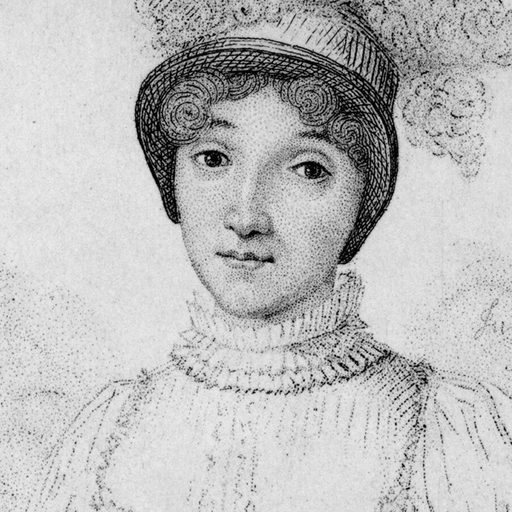
The first woman to make balloon ascents her profession, she made sixty-seven of them, with fireworks launched from the basket. On 6 July 1819, a rocket set fire to her envelope: the public applauded, believing it part of the show. The inscription calls her “victim of her art”.
The story
Marie Sophie Armant was born in 1778 at Trois-Canons, near La Rochelle. She married Jean-Pierre Blanchard, the first man to cross the Channel by balloon, in 1785, and went up with him before she flew alone.
Widowed, she made ascending her trade — the only woman of her time to live by it. Napoleon gave her the title of Aeronaut of the Official Festivals, and she flew at the state ceremonies of the Empire and then of the Restoration.
She made sixty-seven ascents, often at night, in a minute basket slung beneath a hydrogen balloon, with fireworks let off from the basket itself: the spectacle was what kept her alive, and it was what killed her.
On 6 July 1819, at the Tivoli gardens, a rocket set the envelope alight. The crowd below took it for part of the show and applauded. The balloon came down on the rooftops; she was found dead, at forty-one.
A subscription raised the column in Division 13, cut with an amphora and topped by a globe beneath a flame. The inscription finds the exact words: “aeronaut, victim of her art and of her fearlessness”.
The grave
A column raised by subscription, engraved with an amphora and topped by a sphere set beneath a flame: the monument represents the balloon that burned. The inscription is one of the most exact in the cemetery: “To the memory of Marie Sophie Armant, widow Blanchard, aeronaut, victim of her art, 6 July 1819, in her 43rd year.” Three words to say a profession and an accident. The grave is a stone's throw from Robertson's, in Division 8, the cemetery's other balloonist — fifty-nine ascents for him, sixty-seven for her.
On site, do not miss
The sphere beneath its flame at the top of the column — a burning balloon carved on the grave of the woman it killed.
Visitors' questions
Where is Sophie Blanchard's grave?
In Division 13, chemin Méhul, second row — the same path as Méhul's column, in the Division of Casimir Périer's mausoleum. A column carved with an amphora, topped by a sphere beneath a flame, marks it out.
Étienne-Nicolas MéhulHow did she die?
On 6 July 1819, at the Tivoli gardens: a firework launched from her basket set the balloon's envelope alight. The crowd took it for part of the show and applauded; she was found dead on the rooftops.
NadarWas she really the first woman aeronaut?
The first to make it her profession, yes. Widow of Jean-Pierre Blanchard, the first man to cross the Channel by balloon, she made sixty-seven ascents and received from Napoleon the title of Imperial Aeronaut.
Isadora DuncanWhat is carved on her column?
“À la mémoire de Marie Sophie Armant, veuve Blanchard, aéronaute, victime de son art, le 6 juillet 1819, dans sa 43ᵉ année” — to the memory of Marie Sophie Armant, widow Blanchard, aeronaut, victim of her art, on 6 July 1819, in her 43rd year. The phrase “victime de son art” — victim of her art — appears nowhere else in the cemetery.
Étienne-Gaspard RobertsonAudio guide to Père Lachaise: the best unusual guided tour!
Discover the secrets of the most astonishing tombs
the audio guidefrom€6.99