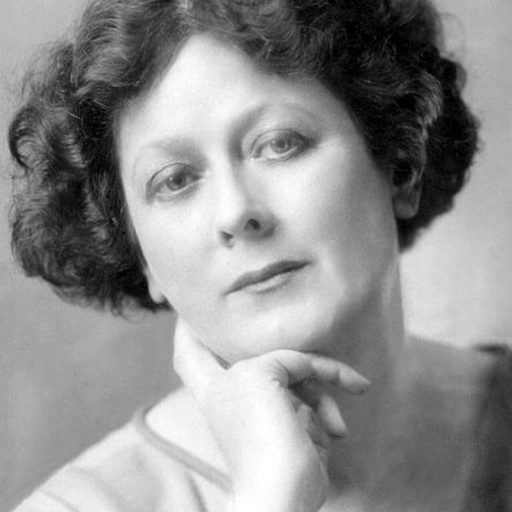
Isadora Duncan had learnt ballet before rejecting it. On 19 January 1911, at the Châtelet, barefoot and dressed in the Greek manner, she danced Gluck's Orpheus: academicism was broken, and modern dance dates from there. She lost her two children, drowned in the Seine in 1913. She died in Nice in 1927: her scarf, caught in the spoked wheel of a car pulling away, tore her from her seat and broke her neck.
The story
Isadora Duncan was born in San Francisco, of Irish descent, into a family that a divorce left in the care of the mother, a piano teacher. The ballet lessons began early; the refusal came later, and it was a reasoned one: ballet forces the body into positions, whereas dance should be born of the breath and of natural movement.
She settled in London in 1899, danced across Europe to immediate success and founded a school. On 19 January 1911 she gave Gluck's Orpheus at the Châtelet in a Greek tunic and bare feet: the break with the academy was complete, and modern dance begins there.
In 1913 her two children drowned in the Seine at Neuilly with their nurse, the car having rolled into the river. She stopped dancing; she came back to it all the same — a school in Moscow in 1921, tours to the end. In 1922 she married the Russian poet Sergei Yesenin, who left her within a year and killed himself in 1925.
On 14 September 1927, on the Promenade des Anglais at Nice, she climbed into the sports Amilcar of Benoît Falchetto, a mechanic who was to let her try the car. Her long scarf caught in the spokes of the rear wheel, tore her from her seat and broke her neck. Death was instant, and she passed into legend almost as fast.
Her ashes were placed in the columbarium of Père-Lachaise, in Division 87, niche 6796, beside those of her two drowned children. Her year of birth was never settled: her baptismal certificate gives 26 May 1877, the most widely used date is 27 May 1878, and the San Francisco records burned in the 1906 earthquake.
The grave
There is no grave, but a columbarium niche, number 6 796, in the great building of Division 87. No particular inscription appears there: the name, and nothing more, for a woman whose death became an image. Her ashes lie beside those of her two children, drowned in the Seine in 1913 and placed in the same columbarium. The same building holds the niche of the painter Max Ernst, number 2 102, and the plaque of the singer Maria Callas in front of an empty niche. Her year of birth was never settled: her baptismal certificate gives 26 May 1877, the most widely used date is 27 May 1878, and the San Francisco records burned in the 1906 earthquake.
On site, do not miss
Niche 6 796 of the columbarium, where her ashes lie beside those of her two drowned children, and a few galleries away that of the painter Max Ernst.
Visitors' questions
Where is Isadora Duncan's grave?
In the Père-Lachaise columbarium, Division 87, niche 6,796: these are her ashes, not a grave, and they lie beside those of her two drowned children. The painter Max Ernst rests in the same building, niche 2,102, and the plaque of the singer Maria Callas stands there in front of an empty niche.
Max ErnstHow did Isadora Duncan die?
On 14 September 1927, on the Promenade des Anglais in Nice: she had climbed into a sports Amilcar with spoked wheels, and her long scarf caught in the rear wheel as it pulled away. The cloth tore her from her seat and broke her neck. Death was instantaneous, and the scene passed straight into legend.
Maria CallasWhat did she bring to dance?
The break with academic ballet: bare feet, a Greek tunic, movement born of breathing rather than of position. Her Orpheus by Gluck at the Châtelet, on 19 January 1911, was its founding act.
Hélène AndrianoffWhat is her exact date of birth?
26 May 1877, in San Francisco: that is the date on her baptismal certificate, found after her death. The municipal registers that would have confirmed it burned in the earthquake of 1906, so the baptism is the only contemporary document left — and it makes her a year older than her legend did.
Jane AvrilAudio guide to Père Lachaise: the best unusual guided tour!
Discover the secrets of the most astonishing tombs
the audio guidefrom€6.99