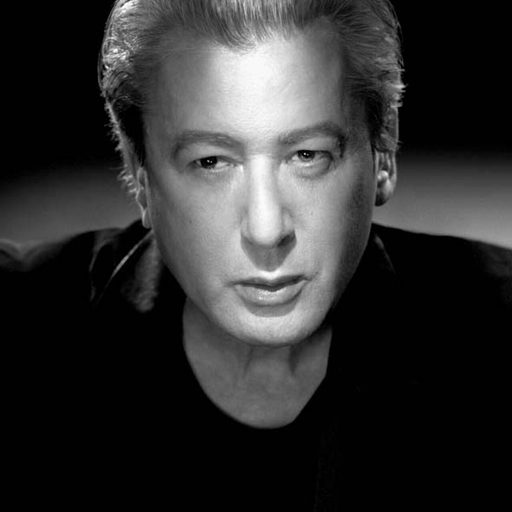
Eleven Victoires de la Musique, more than any other French artist: the last three were handed to him on 28 February 2009, while he was giving his recitals at the Olympia under chemotherapy. He died two weeks later. Two words were engraved for him: “Tant aimé” — so loved.
The story
Alain Baschung was born on 1 December 1947, to a factory-worker mother and a Kabyle father he never met. Sent at one year old to his stepfather's parents at Wingersheim in Alsace, he came back to Paris in 1959 with an accent and a passion for Gene Vincent, Buddy Holly and Elvis Presley, all heard on the radio.
He cut his first single at nineteen, “Pourquoi rêvez-vous des États-Unis ?”, worked as an arranger at RCA and played Robespierre in Claude-Michel Schönberg's “La Révolution française”. “Roman-photo”, in 1977, written with Boris Bergman, ran straight into the punk wave.
“Gaby, oh Gaby” changed his life in 1980: over a million copies. Then came “Pizza” and “Vertige de l'amour”, the Olympia, and in 1982 “Play blessures”, written with Serge Gainsbourg — a deliberately abrasive record, made against the grain of his own success.
“Osez Joséphine”, in 1991, with the lyricist Jean Fauque, put his language back in place: three hundred and fifty thousand copies and “Madame rêve”. Then “Chatterton” in 1994, and “Fantaisie militaire” in 1998, crowned best album of the past twenty years at the Victoires of 2005.
With lung cancer, he released “Bleu pétrole” in March 2008 and gave a run of concerts at the Olympia while on chemotherapy. On 28 February 2009 he took three Victoires — his last public appearance — and died on 14 March 2009 at the Saint-Joseph hospital, aged sixty-one. Twelve Victoires in all: the most decorated artist of the ceremony.
The grave
A sober stele, designed by the architect Philippe Perrin and left unsigned. The epitaph fits in two words: “Tant aimé” — so loved — beneath the name and the dates, with no mention of the profession and no line from a song. It is one of the most visited graves in Division 13; visitors leave notes there, and the stone was for a time covered in red kisses, like Oscar Wilde's in Division 89, before being cleaned.
On site, do not miss
The two engraved words — “Tant aimé”, so loved — and the notes that visitors slip at the foot of the stele.
Visitors' questions
Where is Alain Bashung's grave?
In Division 13, Avenue de la Chapelle, first row, in the lower part of the cemetery. The headstone is plain, designed by the architect Philippe Perrin, and bears as its only epitaph the words “Tant aimé” — so loved.
Gilbert BécaudWhat is engraved on his grave?
“Alain Bashung, 1947-2009. Tant aimé.” — so loved. Nothing more: no profession, no song title. Visitors regularly leave notes there, and for a time the stone was covered in red lipstick kisses, like Oscar Wilde's, before it was cleaned.
Oscar WildeWhat did Alain Bashung die of?
Lung cancer, on 14 March 2009 at the Saint-Joseph hospital in Paris, at the age of sixty-one. He had given his final concerts at the Olympia in June 2008 while undergoing chemotherapy, and collected three “Victoires” — France's leading music awards — two weeks before his death.
Michel PetruccianiWhat are his best-known albums?
“Roman-photo” in 1977, the year of “Gaby oh Gaby”, then “Osez Joséphine” in 1991 with “Madame rêve”, “Chatterton” in 1994 and “Fantaisie militaire” in 1998, voted best album of the previous twenty years at the 2005 “Victoires”.
Frank AlamoAudio guide to Père Lachaise: the best unusual guided tour!
Discover the secrets of the most astonishing tombs
the audio guidefrom€6.99