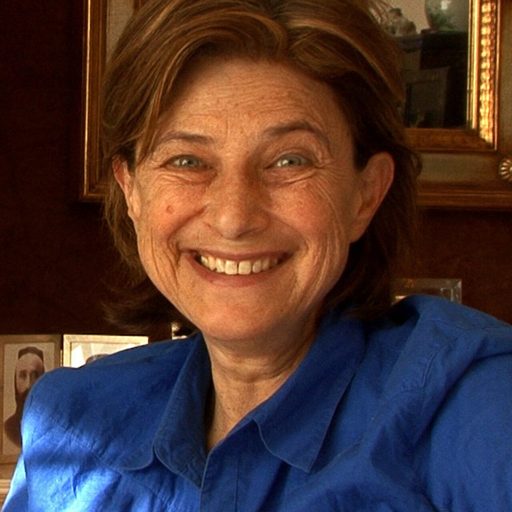
Two lines on the stone, the second of which explains the first: “Chantal AKERMAN filmmaker 1950-2015. child of a Holocaust survivor.” Her Jeanne Dielman, released in 1975, is today held by some rankings to be the greatest film of all time.
The story
Two lines on the stone, the second explaining the first: “Chantal AKERMAN cinéaste 1950-2015. enfant d'une rescapée de la shoah.” — film-maker, child of a survivor of the Shoah. Her mother had come through Auschwitz, and that is the only thing the inscription adds to the trade.
Born at Etterbeek, in Belgium, on 6 June 1950, she became one of the pioneers of auteur cinema. Her whole body of work carries the mark of that descent.
Jeanne Dielman, 23, quai du Commerce, 1080 Bruxelles, in 1975, films the repetitive daily round of a housewife. In 2022 the ten-yearly poll of the British magazine “Sight and Sound” made it the greatest film of all time, forty-seven years after its release — a critical reversal with no equal in the history of cinema.
She took her own life in Paris on 5 October 2015, at sixty-five. Nothing of Jeanne Dielman on the stone: the trade, and where it came from.
The grave
An inscription in two lines, the second of which explains the first: “Chantal AKERMAN filmmaker 1950-2015. child of a Holocaust survivor.” Her mother had survived Auschwitz, and that is the only thing the stone adds to the profession. Nothing of Jeanne Dielman, the film of 1975 that some rankings today hold to be the greatest of all time.
On site, do not miss
Two lines, one of which has nothing to do with cinema: “Chantal AKERMAN filmmaker 1950-2015. child of a Holocaust survivor.”
Visitors' questions
Where is Chantal Akerman's grave?
In Division 49, avenue Eugène-Delacroix, fourth row — the Division of Delacroix and Thierry Mugler. The inscription runs to two lines: “Chantal AKERMAN cinéaste 1950-2015” and “enfant d'une rescapée de la shoah” — child of a Holocaust survivor.
Thierry MuglerWhy is Jeanne Dielman an important film?
Because few films have been so thoroughly reappraised: released in 1975, it films the repetitive daily round of a housewife, and it is now ranked by some polls as the greatest film of all time.
Anna KarinaWhat does her epitaph say?
It says where her cinema comes from: “enfant d'une rescapée de la shoah” — child of a Holocaust survivor. Chantal Akerman was the daughter of an Auschwitz survivor, and that is the only thing her stone adds to her profession of film-maker.
Gisèle HalimiHow did she die?
By suicide, in Paris, in 2015, aged sixty-five. She was Belgian, a pioneer of auteur cinema, and had been working for nearly fifty years when she took her own life. She died in Paris in 2015.
Marie LaforêtAudio guide to Père Lachaise: the best unusual guided tour!
Discover the secrets of the most astonishing tombs
the audio guidefrom€6.99