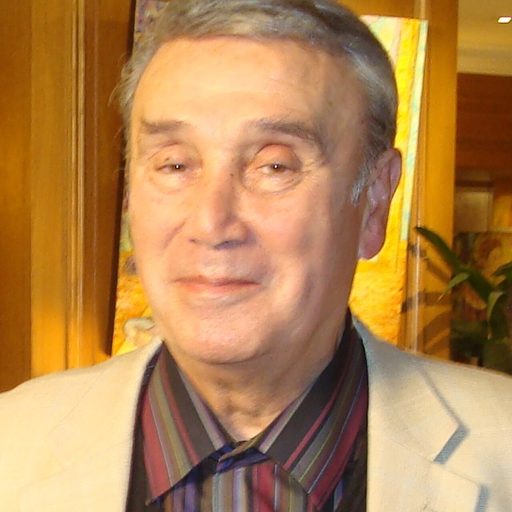
Pierre Lacotte was a premier danseur at the Opera until a leg injury, in 1958, ended that career and opened another: he combed the archives to recover the ballets the nineteenth century had staged and then let vanish. From them he drew an entire body of work. On 1 January 1972, the day colour reached French screens, it was his reconstructed Sylphide that television broadcast.
The story
On 1 January 1972 French television went over to colour. What it broadcast for the occasion was La Sylphide — a lost Romantic ballet, rebuilt from the archives, danced by Ghislaine Thesmar and Michael Denard. It entered the repertoire of the Paris Opera on 9 June that year.
Born at Chatou on 4 April 1932, Pierre Lacotte had entered the Opera's ballet school in 1942 and become a premier danseur in 1953; in 1956 he founded his own Ballets de la Tour Eiffel. A leg injury in 1958 ended that career and began the other: he started searching the archives for what the nineteenth century had choreographed and lost.
In 1968 he married the dancer Ghislaine Thesmar. Then came Coppélia in 1973, the direction of the Nancy-Lorraine ballet from 1991 to 2001, La Fille du pharaon for the Mariinsky with Svetlana Zakharova in 2000, and Paquita at the Paris Opera in 2001.
He died at La Seyne-sur-Mer on 10 April 2023 and rests in Division 58, on Chemin Hautoy, first row, one of the quietest divisions in the upper cemetery. His work, though, is seen elsewhere: the Sylphide he rebuilt is still in the repertoire.
On site, do not miss
A discreet Division for a man whose work is to be seen elsewhere: the Sylphide he reconstructed entered the repertoire of the Paris Opera on 9 June 1972, and is there still.
Visitors' questions
Where is Pierre Lacotte's grave?
In Division 58, chemin Hautoy, first row — a small, little-visited Division in the upper cemetery that also holds Vice Admiral Hugon, who went to sea as a cabin boy at eleven, and the composer Hippolyte Monpou.
Gaud-Amable HugonWhat did Pierre Lacotte reconstruct?
La Sylphide first, a lost Romantic ballet he rebuilt from the archives: Ghislaine Thesmar and Michael Denard danced it for the launch of colour television, on 1 January 1972. Then Coppélia, Paquita and The Pharaoh's Daughter.
Michael DenardWhy did he stop dancing?
A leg injury in 1958 ended his dancing career — he had been a premier danseur at the Opera since 1953. That halt is what sent him into the archives and made him a choreographer-archaeologist.
Serge PerettiWhat did he run after the Opera?
The Ballet de Nancy-Lorraine, from 1991 to 2001. He also restaged The Pharaoh's Daughter for the Mariinsky in St Petersburg, with Svetlana Zakharova, in 2000, and Paquita for the Paris Opera in 2001 — three nineteenth-century ballets returned to the stage.
Hippolyte MonpouAudio guide to Père Lachaise: the best unusual guided tour!
Discover the secrets of the most astonishing tombs
the audio guidefrom€6.99