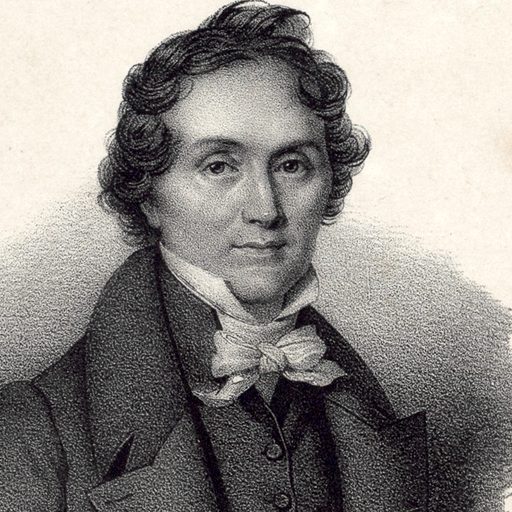
Casimir Delavigne, born in Le Havre in 1793, became famous in one night with his Messéniennes, poems against foreign occupation in which a defeated country recognised itself. He was twenty-five. The theatre would follow, then La Parisienne, the song of the Three Glorious Days, unofficial anthem of the July Monarchy. An academician, he used his credit to obtain a pension for the poet Élisa Mercœur.
The story
Jean François Casimir Delavigne was born at Le Havre on 4 April 1793. He became famous overnight in 1818 with his “Messéniennes”, patriotic poems against the allied occupation: a beaten country recognised itself in them, and the author was twenty-five.
The plays followed: “Les Vêpres siciliennes”, “Le Paria” in 1821, “Les Comédiens”, then “Louis XI” in 1832 and “Les Enfants d'Édouard” in 1833 — a measured Romanticism, halfway between classical tragedy and the drama Hugo was demanding.
In 1830 he wrote “La Parisienne”, the song of the July Revolution, which became the unofficial anthem of the July Monarchy. Louis-Philippe made him librarian at the Palais-Royal.
A member of the Académie française, he used his standing for other people: it was thanks to him that the young poet Élisa Mercœur was granted a pension.
He died at Lyon on 11 December 1843. The chemin Casimir-Delavigne, in Division 49, carries his name — the alley where Nerval, Nodier, Beaucé and the recumbent figure of Hélène Andrianoff also lie.
The grave
A statue of “Poetry”, attributed to the sculptor Bernard Gabriel Seurre — neither signed nor dated. The inscription is purely civil: “Casimir Delavigne. Jean François Casimir Delavigne, born in Le Havre on 4 April 1793, died in Lyon on 11 December 1843.” Nothing of the Messéniennes, nothing of La Parisienne, nothing of the Académie. But the path that runs along the grave bears his name — like the chemin Talma, the chemin Méhul, the avenue Rachel and the chemin Denon: five graves in the cemetery gave their name to their alley.
On site, do not miss
The statue of “Poetry”, and the sign of the alley that bears the name of the poet she watches over.
Visitors' questions
Where is Casimir Delavigne's grave?
In Division 49, chemin Casimir-Delavigne, first row — the path bears his name, in the central part of the cemetery. It is the path of Gérard de Nerval, Charles Nodier and the recumbent effigy of Hélène Andrianoff.
Gérard de NervalWhat does the statue on his grave represent?
“Poetry”, a statue by the sculptor Bernard Gabriel Seurre, neither signed nor dated. She watches over the path that bears the poet's name, a few steps from the graves of Nerval and Nodier.
Charles NodierWhat is “La Parisienne”?
The song he wrote in 1830 for the Three Glorious Days, which became the unofficial anthem of the July Monarchy. In return Louis-Philippe appointed him librarian at the Palais-Royal, a post he kept until his death.
Eugène PottierWhat are the “Messéniennes”?
Patriotic poems published in 1818 against the Allied occupation, which made him famous at twenty-five. A defeated country recognised itself in them, and they made him one of the heralds of Romanticism.
Alfred de MussetAudio guide to Père Lachaise: the best unusual guided tour!
Discover the secrets of the most astonishing tombs
the audio guidefrom€6.99