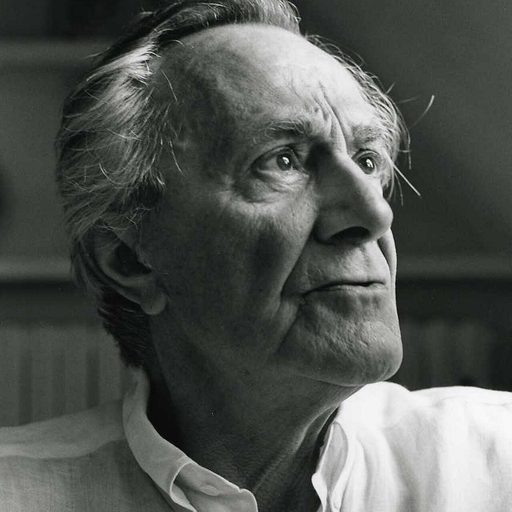
The “grand narratives” — religious, scientific, political — explained the world; he argued that people had stopped believing in them. The Postmodern Condition appeared in 1979 and spread to architecture and the social sciences. His whole inscription is a name and two dates.
The story
He theorised the end of the grand narratives: those all-embracing explanations of the world — religious, scientific, political — that had held modern thought together. La Condition postmoderne — “The Postmodern Condition” — appeared in 1979 and became an international reference far beyond philosophy: architecture, the arts and the social sciences took it up.
Born at Versailles on 10 August 1924, Jean-François Lyotard taught at Paris-VIII Vincennes, the experimental university born of 1968, and later in California. He died in Paris on 21 April 1998.
The slab in Division 6 comes down to a name and two dates given to the day, and carries the signature of its monumental mason, Rebillon. The theorist of the end of the grand narratives lies under a stone that tells none.
The grave
A slab signed by the mason Rebillon, whose inscription comes down to a name and two dates given to the day: “Jean-François LYOTARD, 10.8.1924 – 21.4.1998.” Neither the philosopher's profession, nor The Postmodern Condition, nor Paris-VIII, nor California. The theorist of the end of the grand narratives rests beneath a stone that tells none.
On site, do not miss
A slab that gives two dates to the day and nothing else: “Jean-François LYOTARD, 10.8.1924 – 21.4.1998”, signed by the mason Rebillon.
Visitors' questions
Where is Lyotard's grave?
In Division 6, chemin Lebrun, sixth row — the Division of Jim Morrison and Ferdinand de Lesseps. The slab is signed by the mason Rebillon and reads: “Jean-François LYOTARD, 10.8.1924 – 21.4.1998”.
Jim MorrisonWhat is the postmodern condition?
The thesis of his book of 1979: the end of the “grand narratives”, those all-encompassing explanations of the world — religious, scientific, political — that had structured modern thought. The book became an international reference.
Pierre BourdieuWhere did he teach?
At Paris-VIII Vincennes, the experimental university born of 1968, and then in California. His thinking travelled far beyond philosophy: architecture, the arts and the social sciences all took it up. He died on 21 April 1998 and rests in Division 6.
Ferdinand de LessepsWhat does his inscription say?
His name and two dates, exact to the day: “Jean-François LYOTARD, 10.8.1924 – 21.4.1998”. No profession, no universities, no La Condition postmoderne. The slab does, however, bear the signature of his mason.
Michel VinaverAudio guide to Père Lachaise: the best unusual guided tour!
Discover the secrets of the most astonishing tombs
the audio guidefrom€6.99